Documents and emails arrive all day
Someone reads, sorts and types the same fields into another system before the real work starts.

AI and workflow automation
We start from the systems you already run. We automate only the repeated step that pays back, with a person where the decision carries risk, then host and monitor it.
Pick a task, then a step. Rules, Python, AI or a person, and why.
The first conversation is which of these is true. A new platform is the last option.
Someone reads, sorts and types the same fields into another system before the real work starts.
An order, a ticket or a record is retyped because the systems do not share it.
Money, compliance or a customer commitment waits on a person who cannot see the queue.
It stalled once real documents, exceptions and a person who is accountable showed up.
ERP, mail, documents or a product we run may only need the missing hand-off, not a new suite.
A failed step stays quiet. Logs, alerts and hosting need a named plan. Uptime is not promised.
Each path has a first slice. Choosing one fills the request below if you have not written it yet.
Intake, classification and routing for what arrives all day. The first slice is the highest-volume document flow.
Updates that should move between tools, with a check when something looks off. The first slice is the copy-paste that costs the most time.
Rules, reminders and a record of who decided. The first slice is the approval that blocks the most work.
Keep what worked. Rebuild what could not survive real users. The first slice is the one workflow worth rescuing.
Three parts. A new RPA suite is not the starting point.
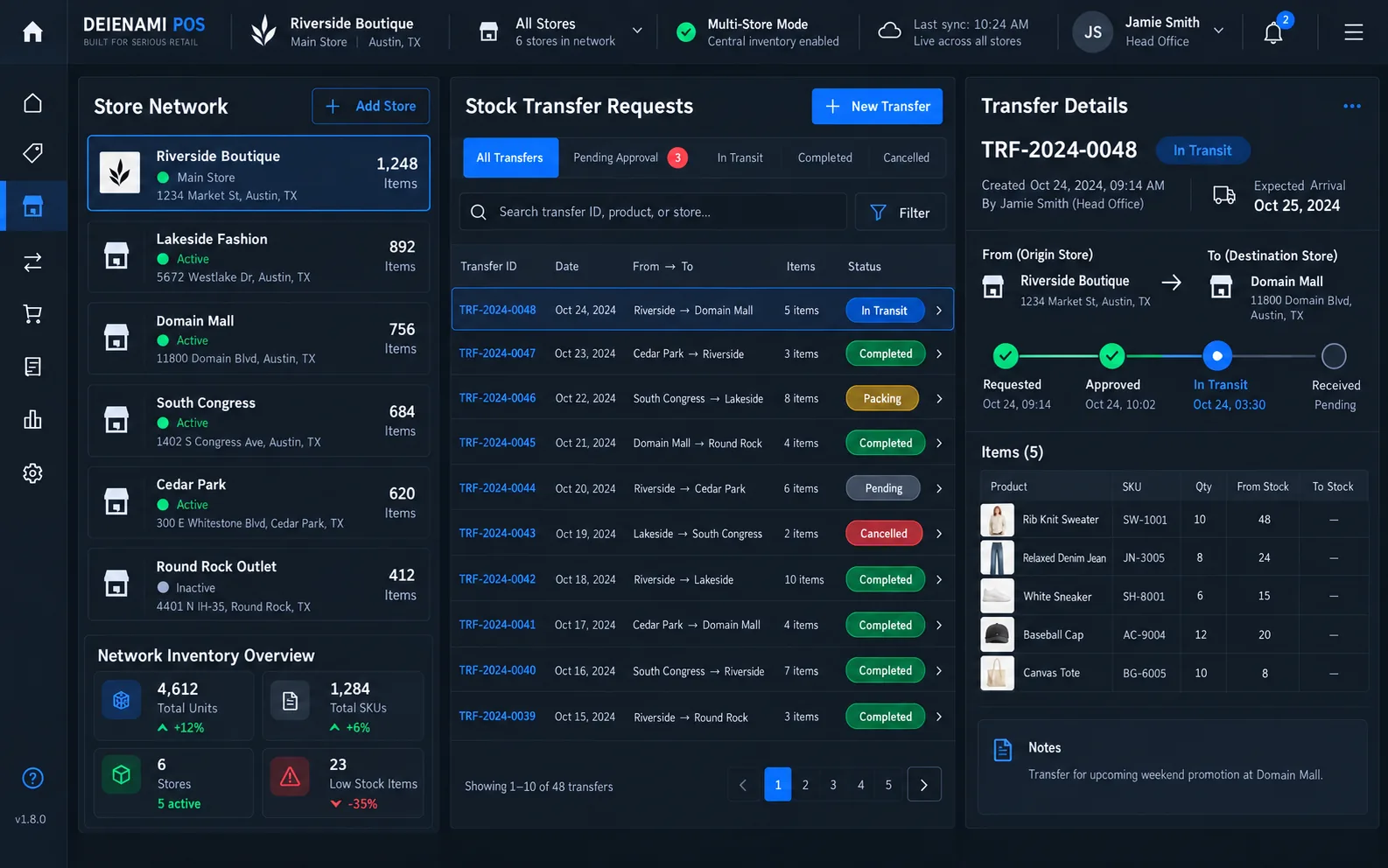
1 · Systems
ERP, mail, documents, a CRM, or a product we operate. The automation sits on those, instead of a new platform and a new licence.
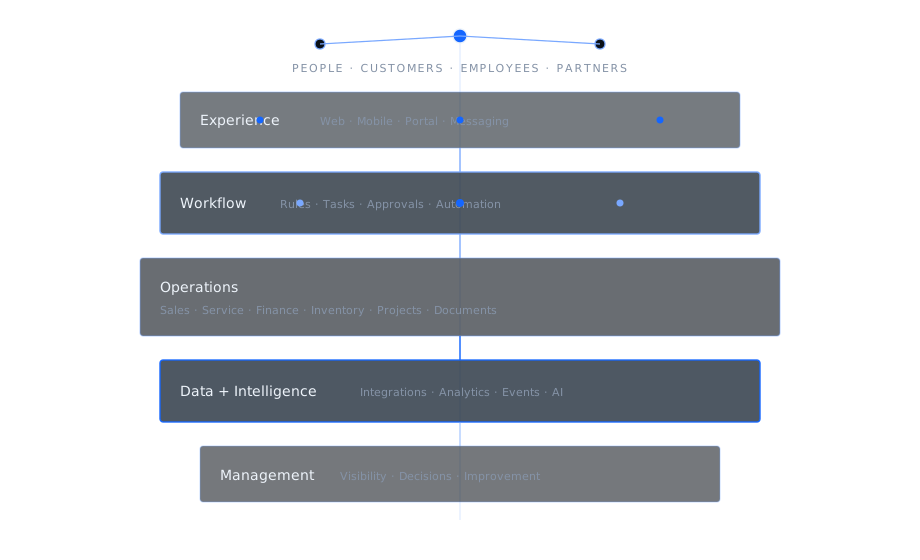
2 · The task
Rules where the answer is certain. Python where the logic is custom. AI where the input is ambiguous. A person where money, compliance or a commitment is at stake.
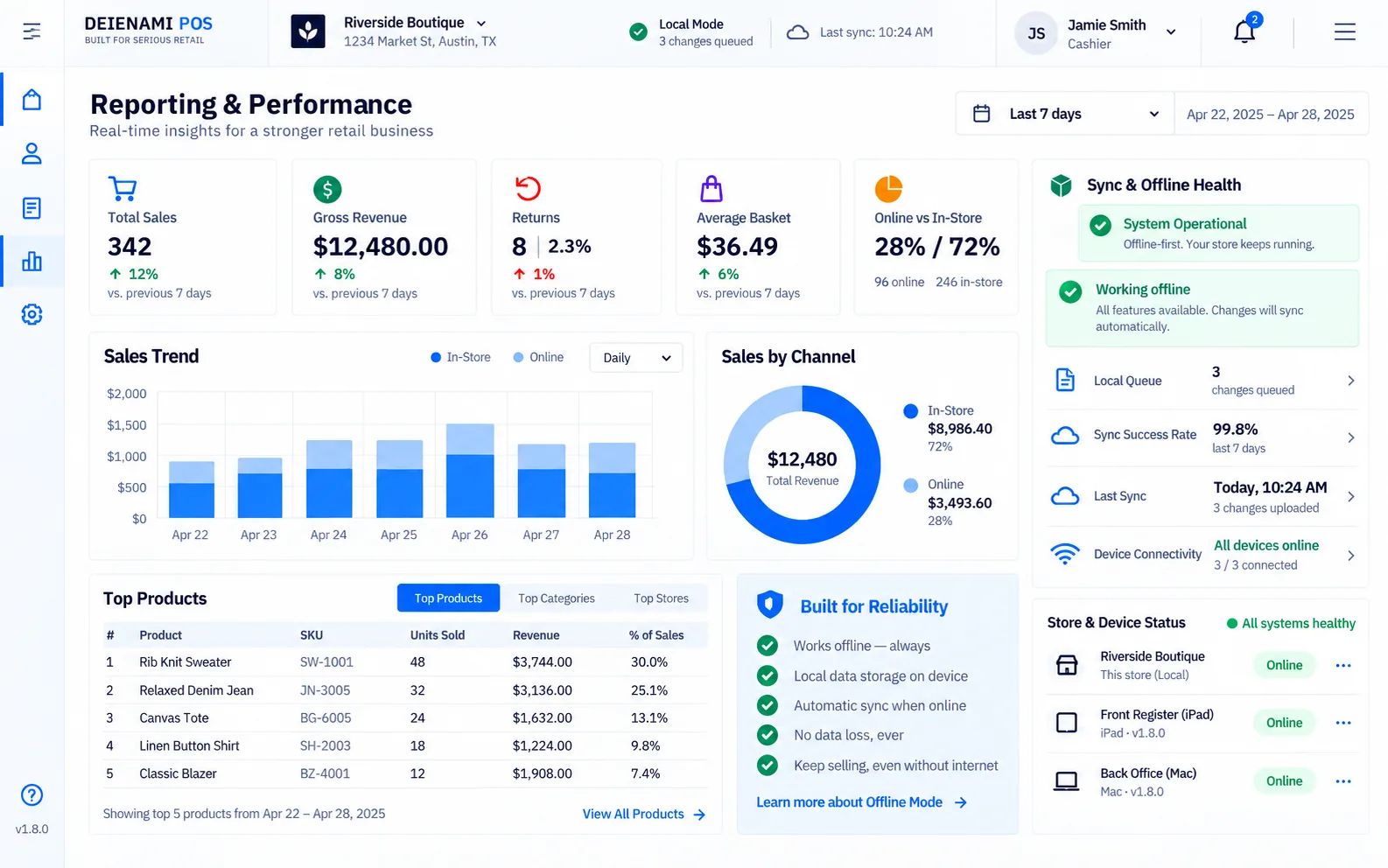
3 · After
The layer stays up under a plan: logs, alerts and a place for the next task. Private models can run on infrastructure you control. Uptime is not promised.
Each route can work. These are the differences that decide whether the automation lasts past the demo.
Each step leaves something you can open, not a demo recording.
A published approval workflow, private model hosting, and systems the automation can sit on. Measured client results are shared only with permission.
White-label, a team inside yours, or a referral. Your client relationship stays yours. Scope is written before work starts.
We automate the work under your brand.
Our engineers inside your tools and review process.
Introduce a client. Terms are agreed in writing first.
The contract still sets the exact terms.
No. We design automation so people decide what matters, especially where work touches money, compliance or customer commitments.
Not necessarily. We use rules where rules are enough, Python where custom logic matters, and AI where ambiguity begins, on a stable layer you own.
We keep human approval and audit logs in the design where it matters, validate outputs before they reach your systems, and monitor results.
We integrate with the systems you already run, including ERP, CRM, document and email tools. We confirm each integration when we scope the work.
We cost the process first, then propose a phased plan so you can see cost against value. We do not promise a timeline up front.
Yes. We can host open-source models on infrastructure you control. See our private and open-source AI service.
Plan the first task
We reply with whether a system you already run can take it, which step we would automate first, and how we would host it.
We will reply by email. If you do not hear from us, use the contact page.