Approvals in email
A request moves through inboxes. Nobody can say who approved it, or which version was current.

Business software
We start from products we already run, build only the workflow, rules and integrations your operation still needs, and host the result.
Companies call when the operation is still real work, and the tools around it are email, spreadsheets, or software that forces the wrong steps.
A request moves through inboxes. Nobody can say who approved it, or which version was current.
The counter, the warehouse and the sheet each hold a different number. Orders wait, or they ship short.
Evidence is copied from several systems into a folder before anyone can review an exception.
Progress lives in someone’s head. When they are away, the team cannot see what is blocked.
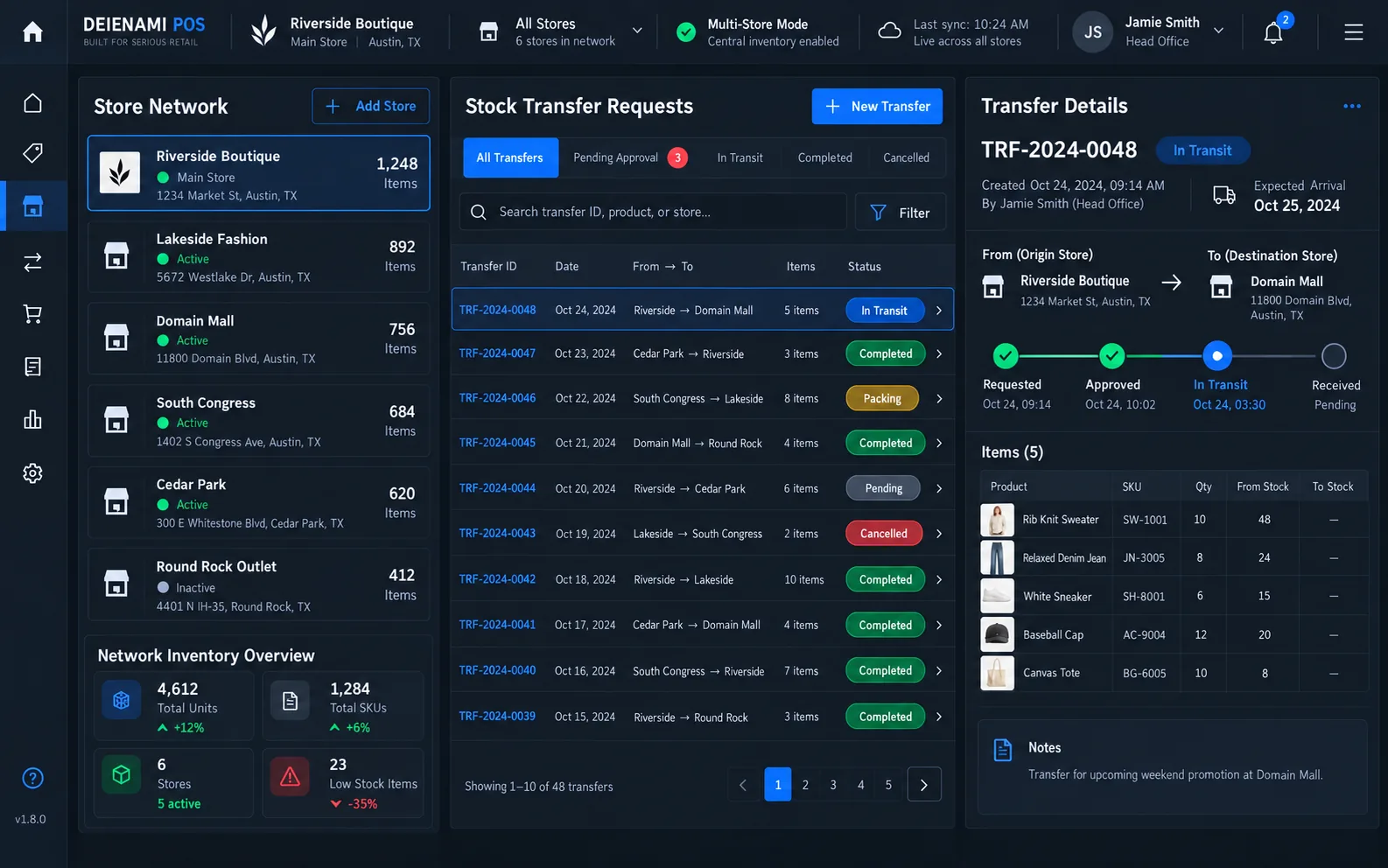
Sales, repairs and inventory do not share a record, so the close of day is a reconstruction.
The numbers exist, but assembling them for a manager or a client is still manual work.
Three parts, one engagement. You do not commission a blank rebuild, and you do not get a product that ignores your process.
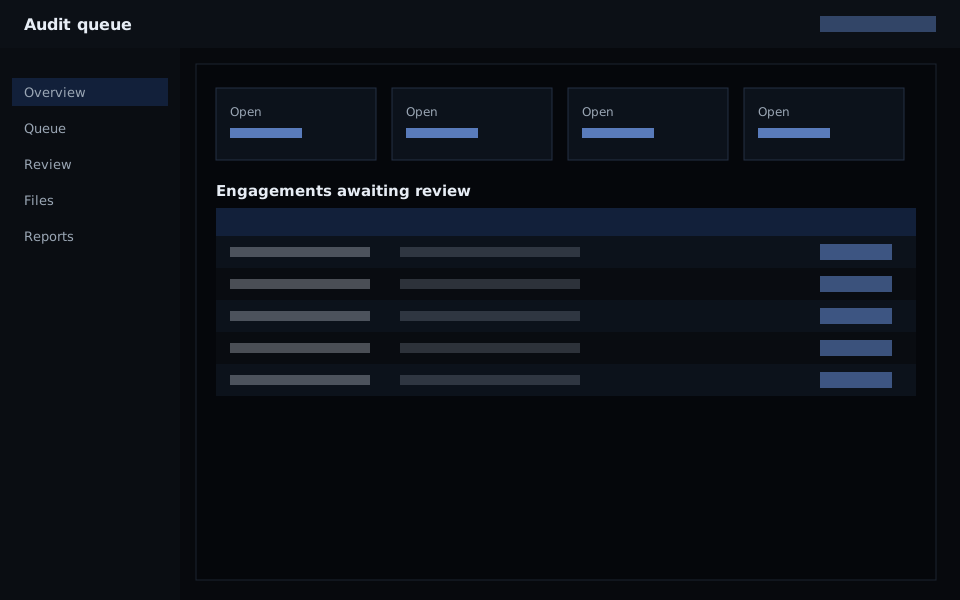
1 · Products
Audit, work, retail and operations products carry patterns we have already tested. The project stands on that base.
2 · Only the gap
We write down the missing rules, screens and connections. If a product already does the step, we leave it.
3 · Hosting
DEIENAMI hosts the finished system. Private hosting is available when the contract requires your cloud or your network.
Four stages you can see. Each card is a deliverable, and the risk we are trying not to take.
A written problem, with the measures you agree, tested against your people and your data.
Watch-out. Solving the wrong problem. We do not design until the hypothesis holds.
A specification, the decisions and why, and the smallest design that can carry the work.
Watch-out. A design larger than the problem. We extend it only when evidence requires.
Test results and acceptance criteria you can check. We record what we did not test.
Watch-out. Tests that pass and still miss real conditions. We use realistic data.
Deployment, monitoring and a named owner. Hosting is part of the handover, not an afterthought.
Watch-out. Unclear ownership after launch. The contract names who runs each part.
What we engineer is public. Architecture, source, prompts and client configuration stay private, and are shared under NDA.
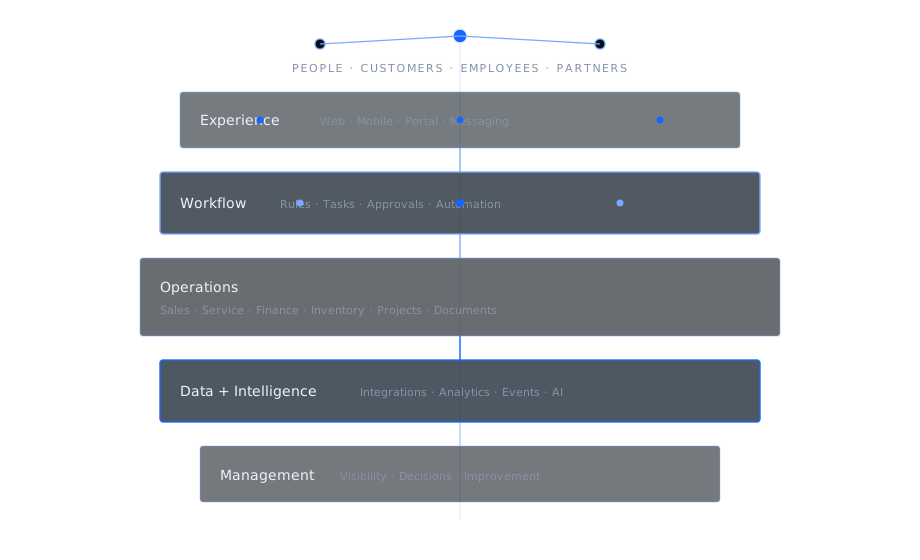
What we engineer
Select a layer. The stack lifts the one in view.
Public
Orders, entries and requests become a decision you can read, with the reason stored beside it. A stock shortfall, an invoice over a limit, or a task with no owner each follows a rule you can inspect.
Decisions that carry risk go to a person.
Public
Answers come from your own documents, and only for the people allowed to see them. Staff, finance and administrators do not see the same material.
Access is checked before a model sees any data.
Public
Tasks, approvals and notifications follow the process you already run, including the hand-off between shifts.
Each step records who did what, and when.
Public
Monitoring and tests show how the system behaves. You receive summaries and the list of what we did not test, not our internal logs.
What we did not test is written down.
Public
A hosted product, a custom build on that product, or a private environment you manage. The contract names which one, and who patches it.
The contract names the option and who is responsible.
What we keep private. Internal architecture, source code, model prompts and any client configuration. Ask under NDA.
These are the systems a project can stand on. Custom work attaches to them instead of replacing them.
Audit workflows, exception detection and a record of what was reviewed.
Explore BeondAuditTasks, workload and the hand-off when more than one person owns the job.
Ask about BeondWork
A family of operational applications, including options shaped for a sector.
Ask about Beondapps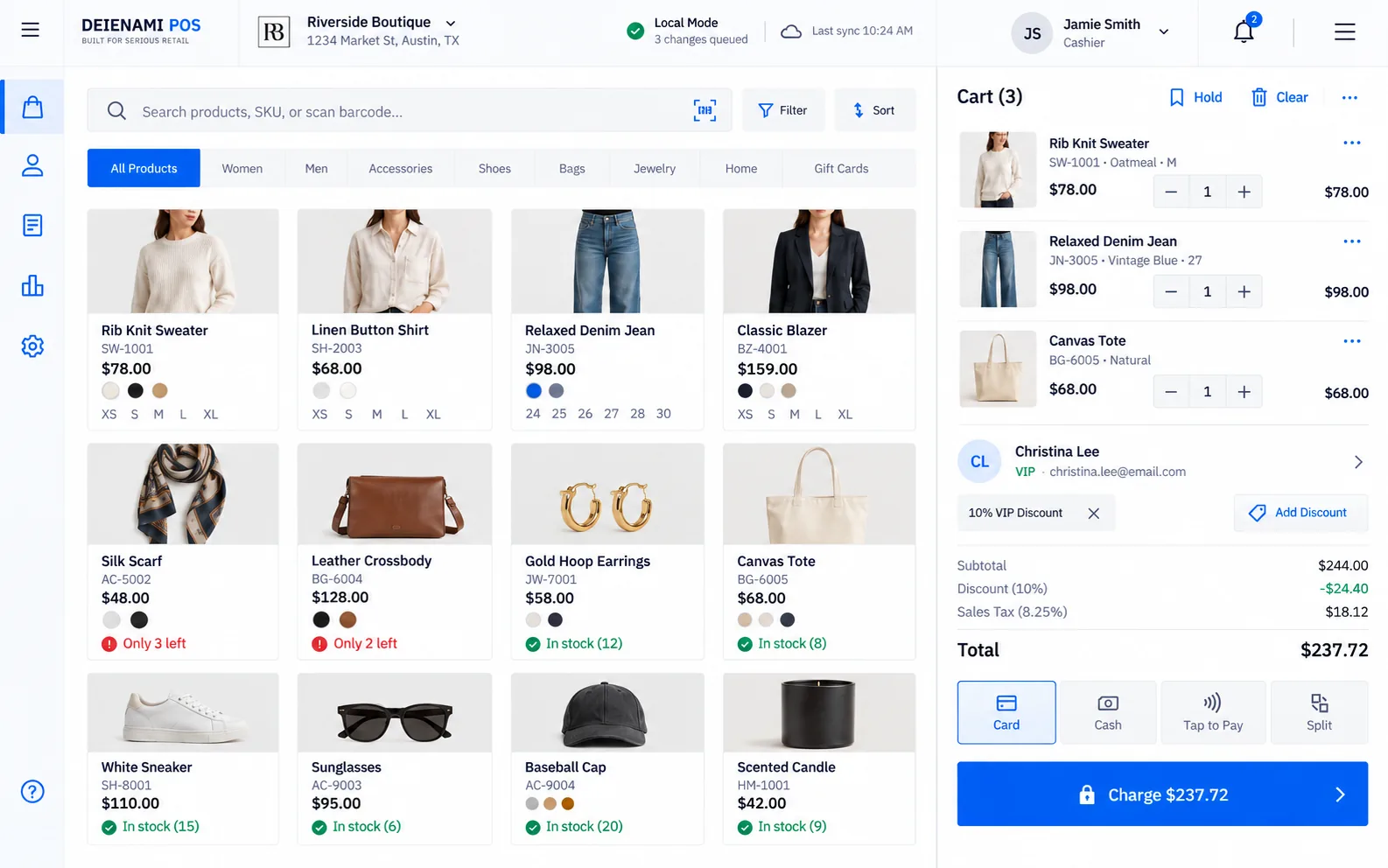
Counter sales, stock, payments and repair tracking in one retail record.
Explore SnapOSEach engagement leaves documents and a running system, not a slide deck. These are the items we agree up front.
These are public examples. A new project reuses the product or the method, then builds only what that operation still lacks.
A system we build is a system we can run. Hosting covers the environment, updates and someone who answers when it misbehaves.
Coverage is contracted. Working hours, incidents and new features are separate lines in the agreement.
Engineering on agreed working days, with scheduled reviews and a shared view of progress.
Discuss a core teamWider hours across time zones, with a written handover and a defined escalation route.
Discuss an extended teamRound-the-clock cover only when it is staffed and written into the contract.
Discuss mission-critical coverStraight answers. The contract still sets the exact terms for your system.
There is no single price. We first name the product that already fits, the work still to be built, and whether we host it. The proposal prices those three parts separately, so you can stop after the first phase.
Ownership, licence and data rights are written in the contract before build starts. A hosted product you subscribe to is different from a system commissioned for you. The agreement says which one you are buying.
Yes, when the design calls for it. Access rules run before any model sees a document, and a person reviews output that carries risk. A vendor API is used only when you accept that path.
We start from products we already run and specify only the missing rules, screens and integrations. If a product already covers a step, we do not rebuild it.
Yes. The gap is often the connection between those systems and the way your team actually works. We integrate what you run, and we can modernise an older application in stages.
Hosting is the usual path: environment, updates, monitoring and a named owner. A private environment on your cloud or network is available when the contract requires it.
Yes. Agencies can use the partner path for white-label delivery, co-delivery or a referral. Scope and ownership are agreed in writing first. Ask about the partner path.
We will say which product already fits, what still has to be built, and how we would host it.