
BeondAudit
The challenge
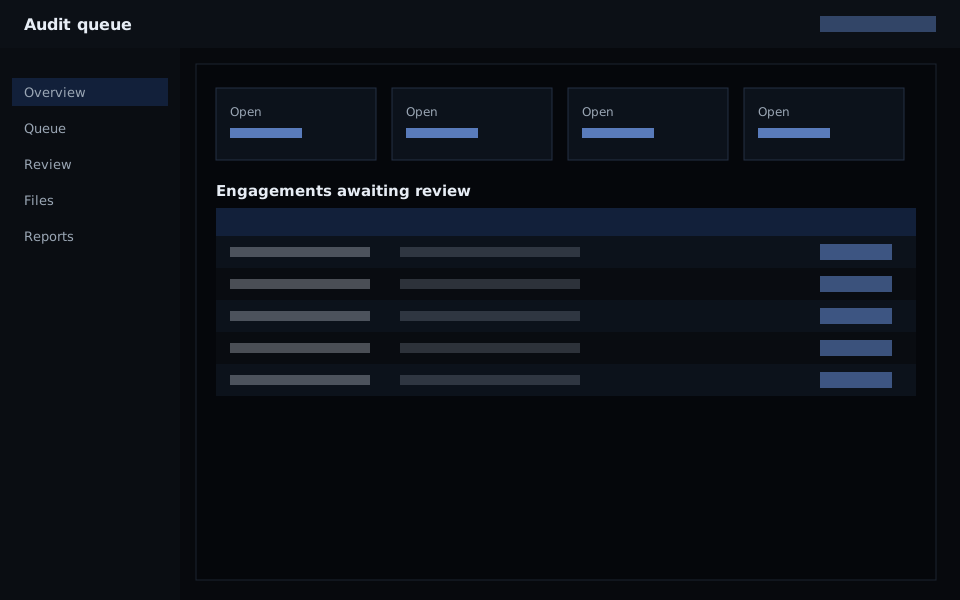
Audit firms were still running engagements the old way: checklists in spreadsheets, evidence in shared folders, and review notes buried in email. The brief was to put a chartered accountant’s entire engagement — the request, the work, the review, and the financial statements that come out of it — into one system a firm could actually operate, without dropping the maker-checker discipline the work depends on.
The problem
Nothing in that workflow had a single source of truth. Clients sent documents through whatever channel was convenient, partners could not see which ledger lines had already been checked, and statement notes were numbered by hand. A firm might run dozens of audits at once, each with its own trail of files, and a missed GST mismatch or an overwritten schedule only showed up late. Security sat in the same gap: client ledgers cannot live in a shared drive with loose permissions.
How it was solved
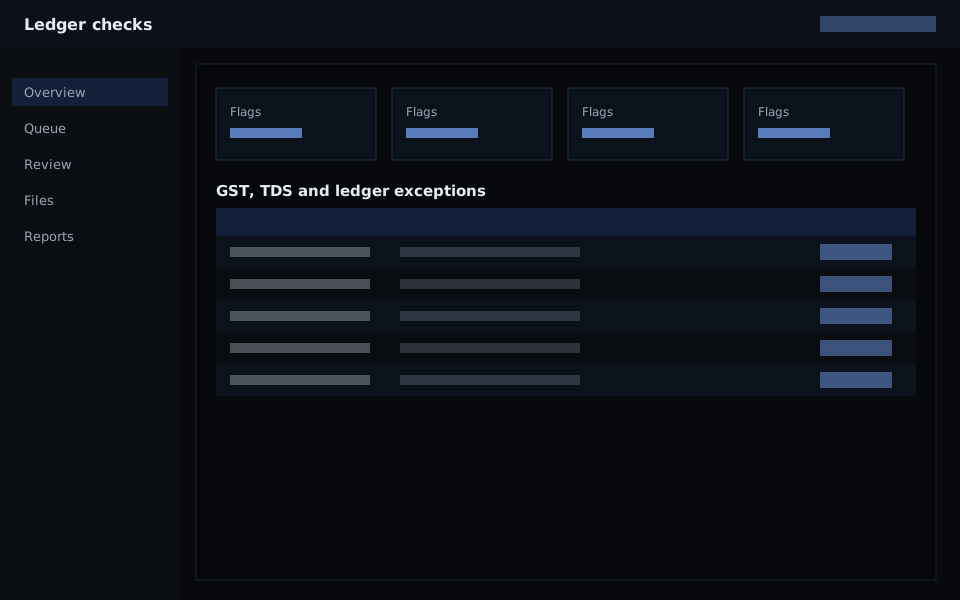
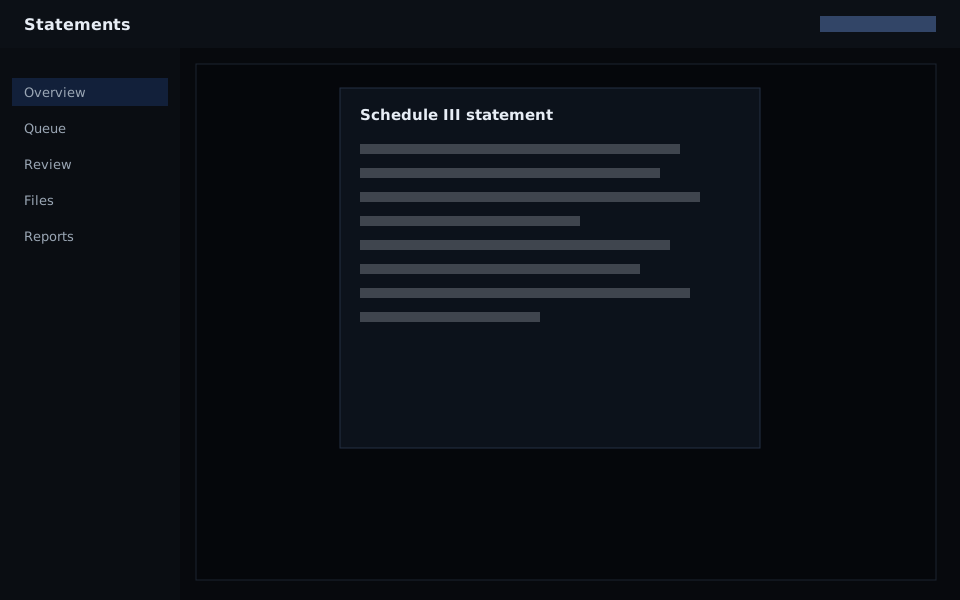
We engineered the platform behind BeondAudit with the domain lead, Mr. Ujwal Dastakhir: a multi-tenant backend on Python and PostgreSQL, role-based access, an encrypted document vault, and a clear path for assignment and approval. Trial balances come in from Tally or Excel, run through more than forty built-in checks, and map into Schedule III statements with automatic note numbering. Comment trails and edit history stay on the work itself, so review is no longer a side conversation in email.
The result
Firms using the suite cut a large share of the time spent preparing an audit and generating statements, and note numbering stopped being a manual risk. Teams and clients work in the same trail, each firm’s data stays isolated, and the platform now carries more than a hundred audit firms — the same controls, at a size the old folders could not hold.