
Healthcare Operating System
The challenge
A health-tech company needed one hosted system that clinics, diagnostic labs, and remote-care teams could run on, without each customer getting a separate build. The platform had to take on clinical records, lab work, and the ordinary day of a practice, and it had to do that under the kind of security a healthcare product is judged by. They did not have an internal team to design and ship that from scratch.
The problem
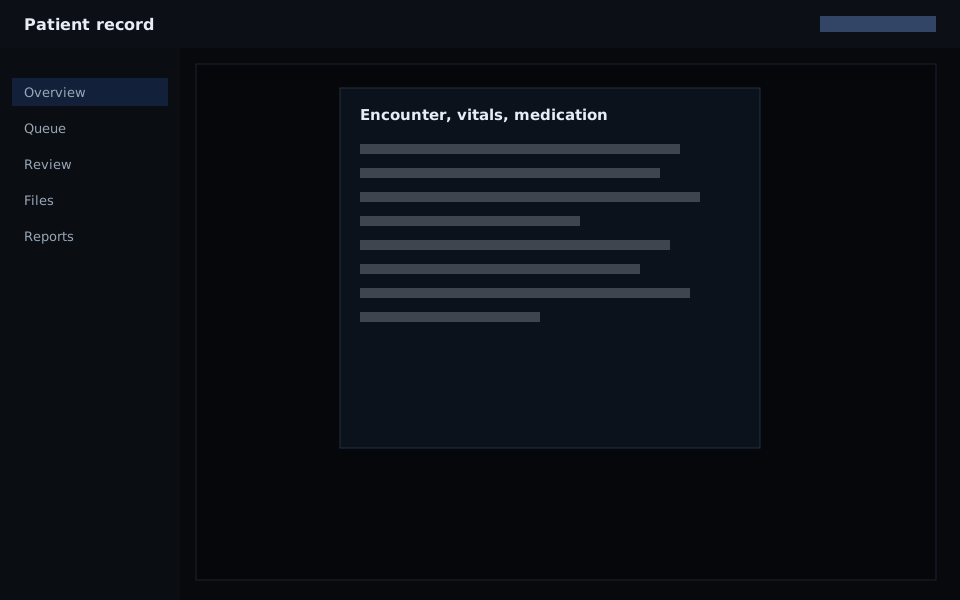
Care was split across tools that did not talk to each other. Vitals, encounters, prescriptions, and lab reports lived in different places, permissions were informal, and adding another clinic meant copying a setup rather than onboarding a tenant. A design that mixed one clinic’s records with another’s was unusable. So was a system that could not sit next to existing medical records and devices without a rewrite every time a new site came on.
How it was solved
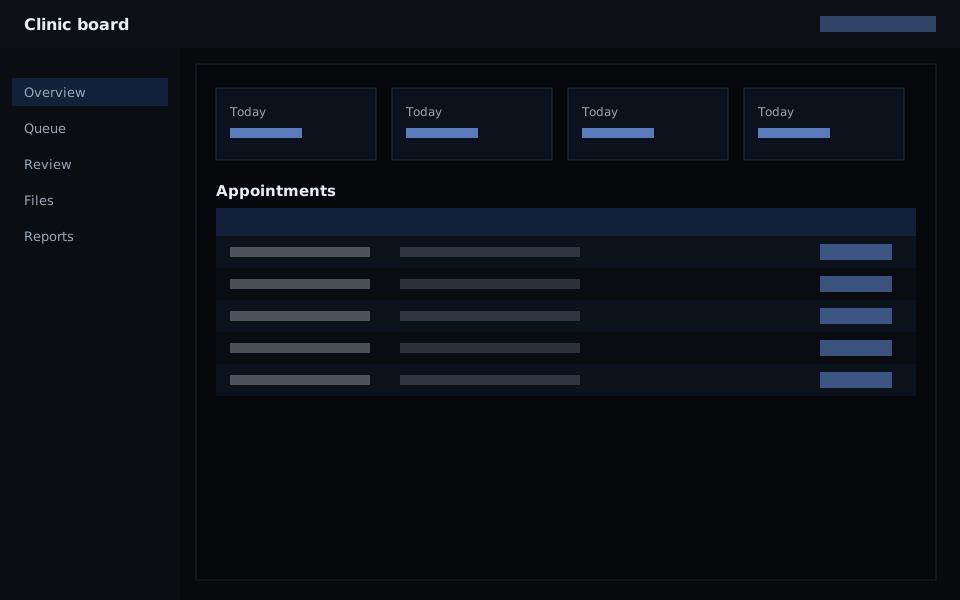
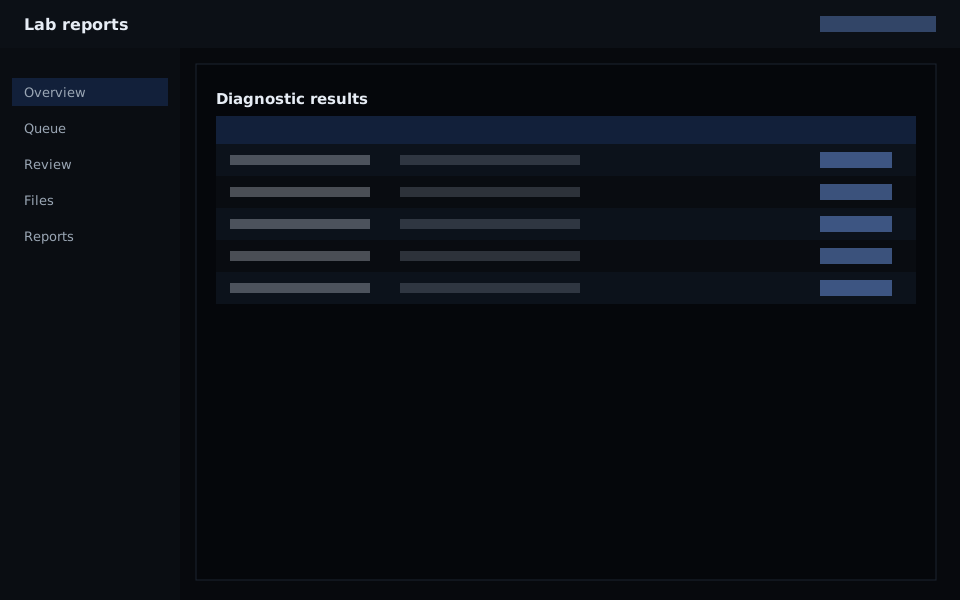
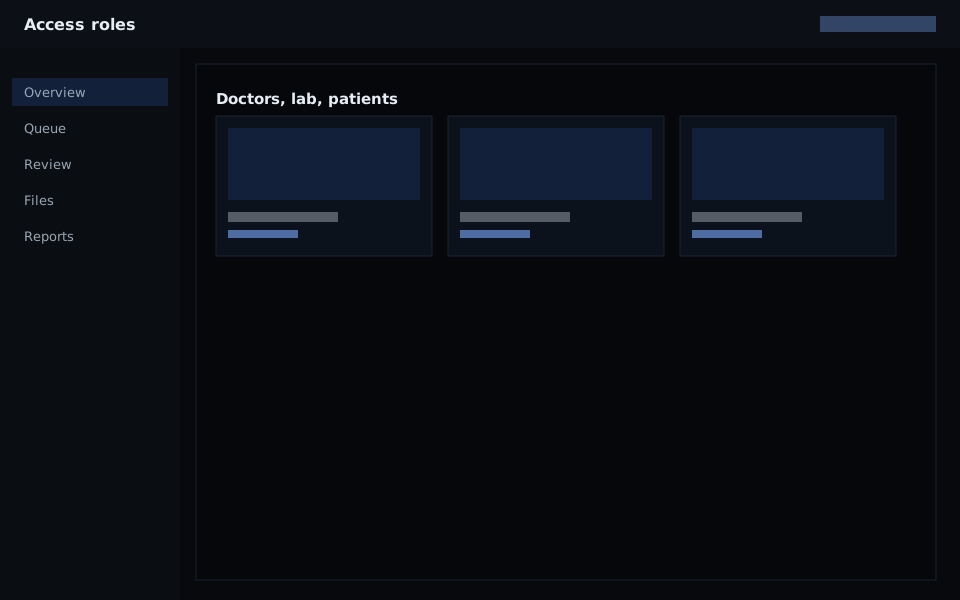
We designed the product as a modular, multi-tenant platform: a schema per customer in PostgreSQL, strict roles for doctors, admins, lab staff, patients, and support, and clinical records, forms, and documents behind the same access model. Appointments and status updates move on a queue so the interface stays responsive while the work continues in the background. Data is encrypted in transit and at rest, every sensitive open is audited, and the infrastructure was built so a new clinic is a tenant — not a new stack.
The result
In under six months the platform was in use with clinical workflows digitised, clinics onboarded as separate tenants, and patient records and lab reports available under the same permissions. Operations had one view of the work instead of a pile of exports. The same architecture left room for a mobile client and later analytics, without reopening the security model each time the product grew.